

Delving into architecture building, this introduction immerses readers in a unique and compelling narrative. From the importance of architectural design to the evolution of styles and sustainable practices, this topic offers a fascinating journey through the world of buildings.
Architectural design plays a crucial role in shaping our surroundings, blending functionality and aesthetics seamlessly to create breathtaking structures.
Importance of Architecture in Building Design
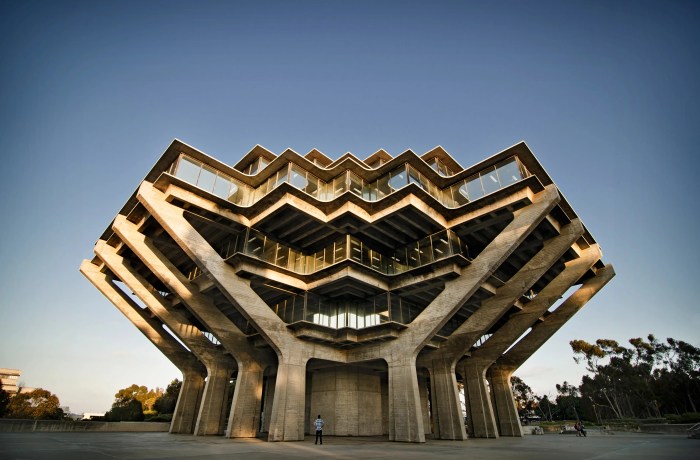
Architecture plays a crucial role in shaping the design of buildings, influencing both their functionality and aesthetics. Architects carefully consider various elements to create structures that not only serve their purpose but also enhance the environment around them.
Influence of Architectural Elements
Architectural elements such as the layout, materials, and spatial arrangements have a significant impact on how a building functions. For example, the use of natural light through strategically placed windows can reduce the need for artificial lighting, making a building more energy-efficient.
- The choice of materials, such as glass, steel, or wood, can affect the durability and sustainability of a building.
- The design of interior spaces, like open floor plans or enclosed rooms, can influence how people interact within the building.
- Architectural features such as facades, roofs, and landscaping can contribute to the overall visual appeal of a structure.
Significance of Sustainable Architecture
Sustainable architecture is increasingly important in modern building design, as it focuses on creating environmentally friendly and energy-efficient structures. By incorporating elements like green roofs, solar panels, and natural ventilation, architects can reduce the carbon footprint of buildings and promote sustainable practices.
Key Elements of Architectural Design
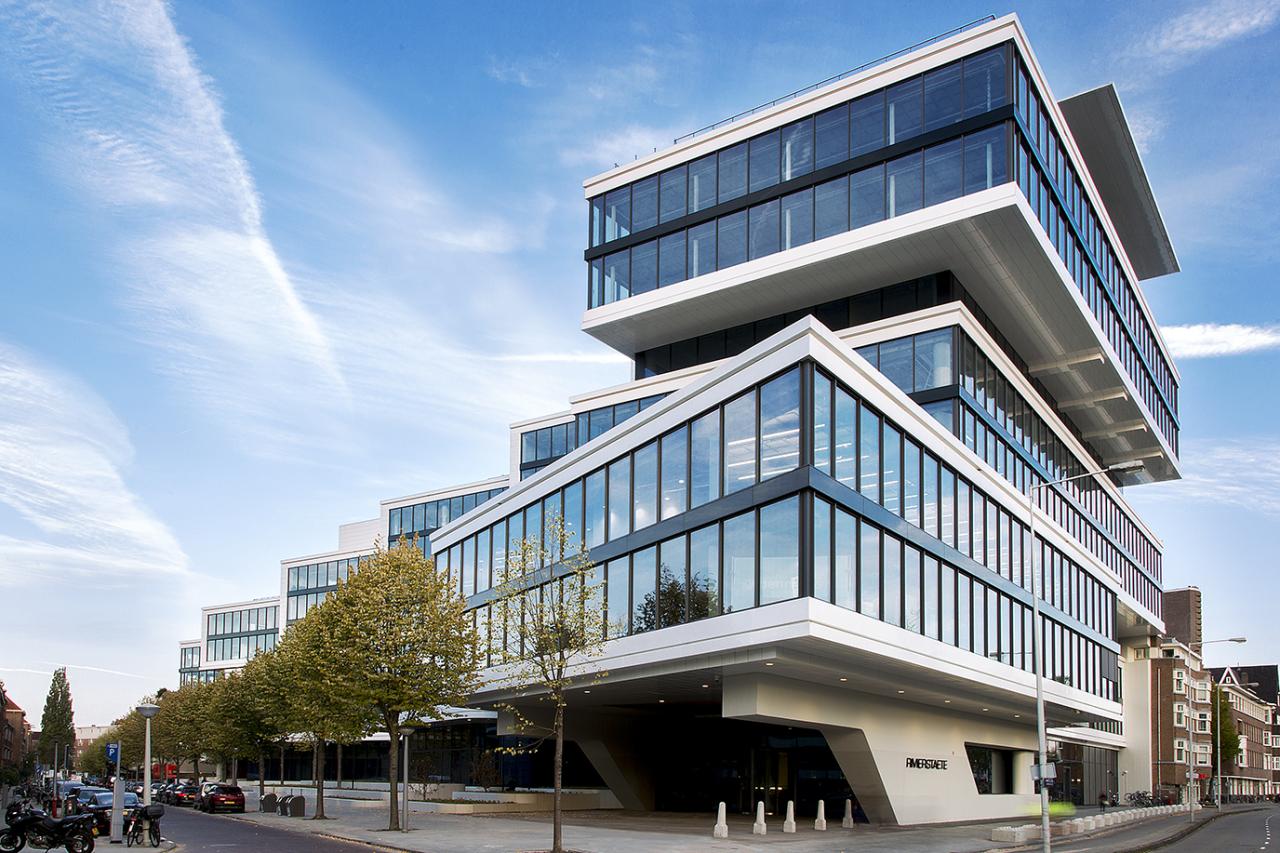
Architectural design encompasses various elements that come together to create a visually appealing and functional building. These elements play a crucial role in shaping the overall aesthetics and usability of a structure.
Balance, Symmetry, and Proportion
Balance, symmetry, and proportion are fundamental principles in architectural design. Balance ensures that visual weight is distributed evenly throughout the building, creating a sense of stability. Symmetry involves mirroring elements on either side of a central axis, providing a sense of harmony and order.
Proportion relates to the relationship between different parts of the building, ensuring that they are appropriately scaled to each other.
Materials, Textures, and Colors
Materials, textures, and colors play a crucial role in architectural design by adding depth and visual interest to a building. The choice of materials can impact the overall look and feel of a structure, whether it be sleek and modern or warm and traditional.
Textures add tactile qualities to surfaces, creating contrasts and visual intrigue. Colors can evoke different emotions and set the tone for the building, whether it be vibrant and energetic or calm and soothing.
Historical Evolution of Architectural Styles
The evolution of architectural styles has played a significant role in shaping the built environment over different historical periods. From the ancient civilizations to the modern era, architecture has been influenced by a variety of factors, including cultural, social, and technological advancements.
Gothic Architecture
Gothic architecture emerged in the 12th century in Europe and is characterized by its pointed arches, ribbed vaults, and flying buttresses. Iconic examples include Notre Dame Cathedral in Paris and the Cologne Cathedral in Germany. This style was often used for religious buildings and aimed to inspire awe and lift the soul towards the divine.
Baroque Architecture
Baroque architecture developed in the 17th century as a response to the Renaissance style. It is known for its ornate decoration, grandeur, and dramatic use of light and shadow. Examples include the Palace of Versailles in France and St. Peter's Basilica in Vatican City.
Baroque architecture was often used by the Catholic Church to convey power and wealth.
Modernist Architecture
Modernist architecture emerged in the early 20th century and is characterized by its emphasis on functionality, simplicity, and the use of new materials such as steel and glass. Iconic examples include the Bauhaus School in Germany and the Fallingwater house in the United States.
Modernist architects aimed to break away from historical styles and create a new aesthetic for the modern world.
Postmodernist Architecture
Postmodernist architecture emerged in the late 20th century as a reaction against the perceived limitations of Modernism
Postmodernist architects sought to incorporate historical references and cultural influences into their designs in a more playful and unconventional way.Cultural influences have played a pivotal role in shaping architectural design throughout history, with each style reflecting the values, beliefs, and aspirations of the society in which it was created.
As we continue to evolve, architectural styles will undoubtedly continue to adapt and respond to the changing needs and desires of society.
Sustainable Architecture and Green Building Practices
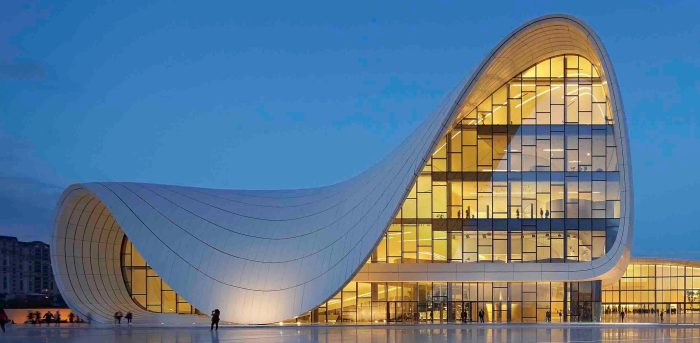
Sustainable architecture focuses on creating buildings that are environmentally responsible, resource-efficient, and healthy for occupants. It involves utilizing design strategies that minimize the negative impact on the environment and promote sustainable living.
Definition of Sustainable Architecture
Sustainable architecture, also known as green architecture, is characterized by the use of environmentally friendly materials, energy-efficient systems, and sustainable construction practices. It aims to reduce the carbon footprint of buildings and promote a healthier living environment for occupants.
Principles of Sustainable Architecture
- Energy efficiency: Incorporating renewable energy sources and energy-efficient systems to reduce energy consumption.
- Water conservation: Implementing water-saving technologies and practices to minimize water usage.
- Use of sustainable materials: Choosing eco-friendly materials that are recyclable or renewable to reduce environmental impact.
- Site selection and planning: Designing buildings that work with the natural environment and minimize disruption to ecosystems.
Benefits of Green Building Practices
- Reduced energy costs: Energy-efficient buildings lower utility bills and operational expenses over time.
- Improved indoor air quality: Using non-toxic materials and proper ventilation systems contribute to healthier indoor environments.
- Lower environmental impact: Green buildings reduce waste generation, carbon emissions, and overall environmental footprint.
Examples of Innovative Sustainable Architecture Projects
1. The Edge, Amsterdam: This building is one of the most sustainable office buildings in the world, featuring solar panels, rainwater harvesting, and smart energy systems.
2. One Central Park, Sydney: Known for its vertical gardens, this residential complex incorporates greenery into its design to promote biodiversity and improve air quality.
3. The Bullitt Center, Seattle: A net-zero energy building that produces as much energy as it consumes, setting a new standard for sustainable architecture.
Epilogue
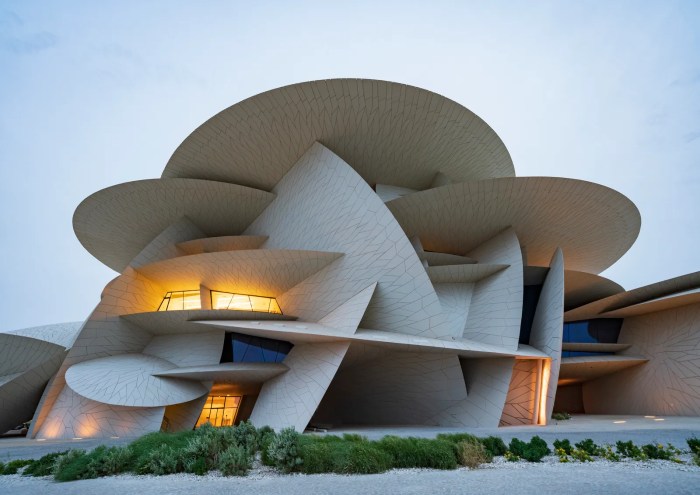
In conclusion, architecture building is not just about constructing buildings; it's about creating sustainable, visually appealing, and culturally significant landmarks that stand the test of time. Dive into the world of architecture building and discover the beauty and innovation that lies within each structure.
Question Bank
What is the role of architecture in building design?
Architecture shapes the design of buildings by blending functionality and aesthetics to create structures that are both practical and visually appealing.
How do materials, textures, and colors contribute to architectural design?
Materials, textures, and colors are used in architectural design to create a cohesive structure that enhances the overall look and feel of a building.
What are some iconic architectural styles throughout history?
Iconic architectural styles include Gothic, Baroque, Modernist, and Postmodernist, each with unique characteristics that reflect the cultural influences of their respective eras.
What are the principles of sustainable architecture?
Sustainable architecture focuses on environmentally friendly building practices, utilizing renewable resources and energy-efficient design to minimize environmental impact.
Can you provide examples of innovative sustainable architecture projects?
Projects like The Edge in Amsterdam and One Central Park in Sydney showcase innovative sustainable architecture by incorporating green building practices and cutting-edge design.