
Asbestos siding, once a popular choice in construction, has a rich history and unique properties that set it apart. In this guide, we delve into the world of asbestos siding, uncovering its uses, risks, and everything in between.
From installation to maintenance, we cover it all to provide you with a well-rounded understanding of this intriguing material.
Introduction to Asbestos Siding
Asbestos siding refers to a type of exterior cladding material that was commonly used in construction during the 20th century. It is composed of asbestos fibers mixed with cement or other binding materials to create a durable and fire-resistant siding option.
Properties of Asbestos Siding
Asbestos siding is known for its strength and durability, making it a popular choice for many homeowners. It is also fire-resistant, providing an added layer of protection to the structure it covers. Additionally, asbestos siding is relatively low maintenance, requiring minimal care compared to other siding materials.
Health Risks Associated with Asbestos Siding
Despite its practical benefits, asbestos siding poses significant health risks. When asbestos fibers are disturbed or damaged, they can become airborne and be inhaled, leading to serious health conditions such as lung cancer, mesothelioma, and asbestosis. It is crucial to handle asbestos siding with caution and seek professional assistance for removal or repair to minimize exposure to these harmful fibers.
Types of Asbestos Siding
Asbestos siding was a popular choice for homes due to its durability and fire-resistant properties. There are several types of asbestos siding materials commonly used, each with its own unique appearance and texture.
Cement Asbestos Siding
Cement asbestos siding, also known as asbestos cement siding, was a popular choice for its durability and resistance to fire and insects. It has a smooth texture and can be found in various colors and styles, including shingles and panels.
Despite its longevity, it is important to handle and maintain it properly to prevent asbestos exposure.
Asbestos Clapboard Siding
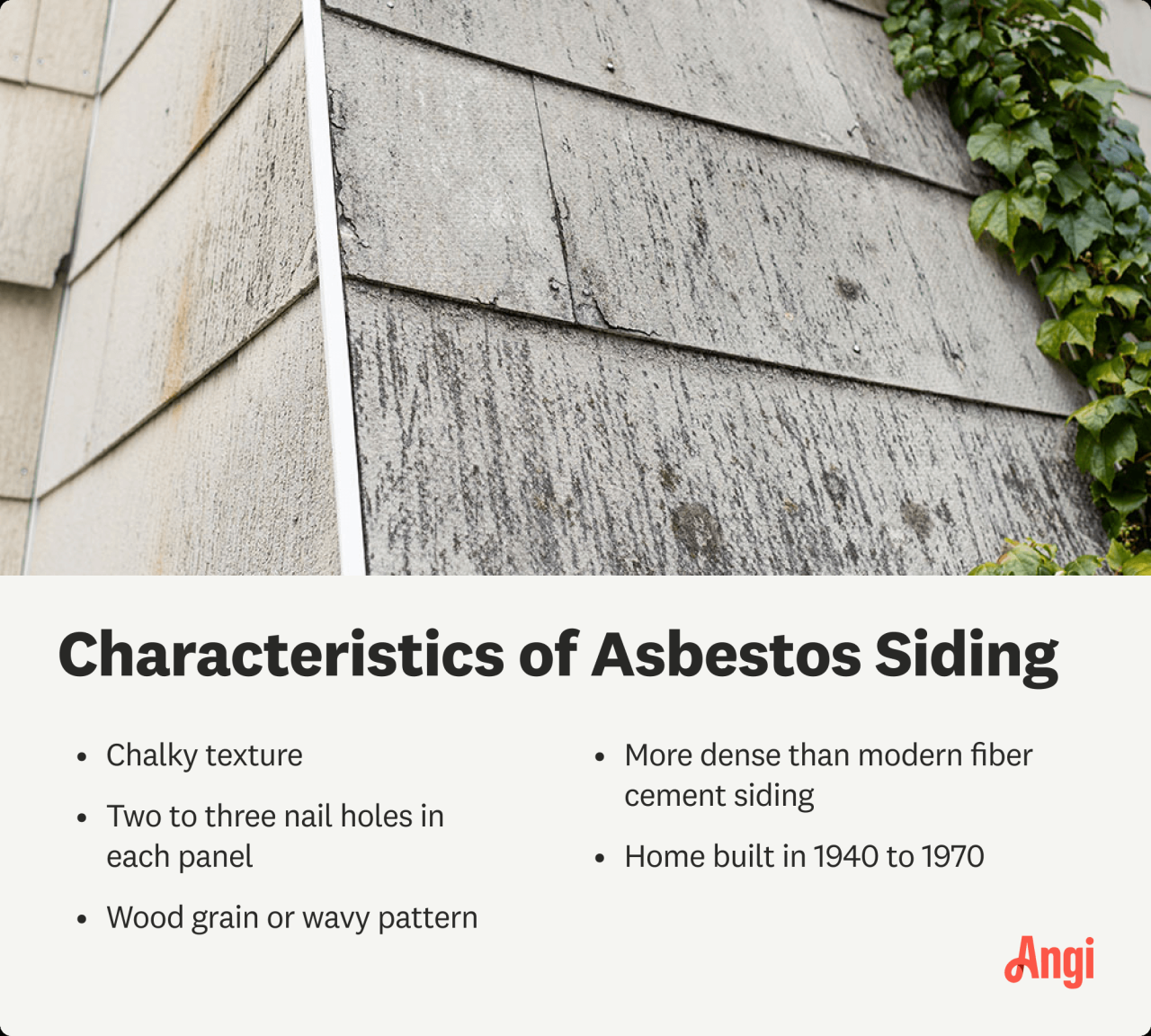
Asbestos clapboard siding, also known as asbestos shingle siding, mimics the appearance of traditional wooden clapboards but with the added benefits of asbestos durability. It has a textured surface that resembles wood grain and comes in a variety of colors.
However, like other asbestos siding materials, proper maintenance is crucial to prevent any health risks.
Asbestos Insulated Siding
Asbestos insulated siding combines the durability of asbestos with insulation properties, providing both weather protection and energy efficiency. This type of siding typically has a smooth texture and can be painted to match the exterior of the house. As with other asbestos materials, caution must be taken when handling or renovating to avoid asbestos exposure.
Asbestos Stucco Siding
Asbestos stucco siding offers a textured finish that resembles traditional stucco but with the added benefits of asbestos strength and fire resistance. It is a popular choice for homes seeking a unique look with added durability. However, due to the asbestos content, proper precautions must be taken during maintenance or renovation to avoid any health risks.
Installation and Removal of Asbestos Siding
When it comes to asbestos siding, both installation and removal processes require careful attention to safety measures. Whether you are putting up new asbestos siding or considering removing existing asbestos siding, it is crucial to follow proper guidelines to minimize health risks and ensure environmental safety.
Installing Asbestos Siding
Installing asbestos siding involves several steps to ensure proper placement and safety. Here is a general overview of the installation process:
- Prepare the surface: Before installing asbestos siding, make sure the surface is clean, smooth, and free of any debris or old siding materials.
- Measure and cut: Take precise measurements of the area where the siding will be installed and cut the asbestos siding sheets accordingly.
- Install the siding: Using appropriate tools and fasteners, carefully install the asbestos siding sheets, making sure they are securely attached to the building.
- Seal the joints: Seal the joints between the siding sheets to prevent moisture infiltration and ensure a tight fit.
- Follow safety guidelines: Wear protective gear, such as masks and gloves, during the installation process to minimize exposure to asbestos fibers.
Removal of Asbestos Siding
Removing asbestos siding is a delicate process that requires strict adherence to safety protocols to avoid releasing asbestos fibers into the air. Here are key points to consider during the removal process:
- Hire professionals: Due to the health risks associated with asbestos exposure, it is recommended to hire licensed professionals with experience in asbestos removal.
- Containment: Create a containment area around the work site to prevent asbestos fibers from spreading to other areas of the building.
- Wet removal: Wet the asbestos siding before removal to minimize the release of fibers into the air.
- Proper disposal: Follow local regulations for the disposal of asbestos materials, as improper disposal can pose environmental hazards.
- Clean-up: Thoroughly clean the work area and dispose of all contaminated materials in sealed containers.
Disposal of Asbestos Siding Materials
Proper disposal of asbestos siding materials is essential to prevent environmental contamination and health risks. Here are guidelines for disposing of asbestos siding:
- Labeling: Clearly label all containers used for asbestos disposal to indicate the presence of hazardous materials.
- Secure transportation: Transport asbestos materials in sealed containers to approved disposal sites to avoid any leaks or spills.
- Legal compliance: Ensure compliance with local regulations regarding the disposal of asbestos materials to avoid fines and penalties.
- Professional assistance: Consider hiring licensed asbestos removal companies to handle the disposal process safely and efficiently.
Maintenance and Repair of Asbestos Siding
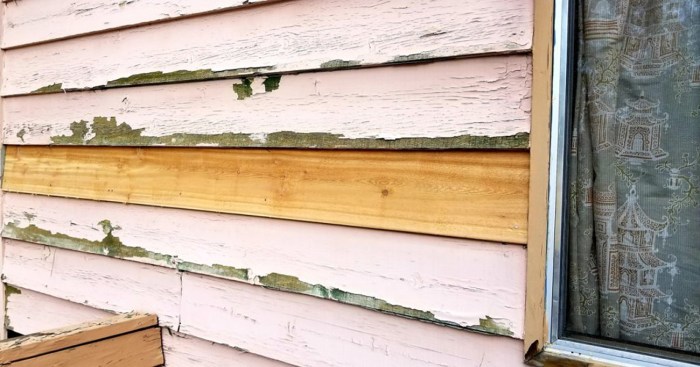
Maintaining and repairing asbestos siding is crucial to ensure its longevity and safety. By following best practices and addressing common issues promptly, you can keep your asbestos siding in good condition for years to come.
Best Practices for Maintaining Asbestos Siding
- Regularly inspect the siding for any signs of damage, such as cracks, chips, or discoloration.
- Keep the siding clean by washing it with a mild detergent and water to prevent the buildup of dirt and debris.
- Avoid using abrasive cleaners or high-pressure washers, as they can damage the asbestos material.
- Trim any overgrown vegetation near the siding to prevent moisture buildup and potential damage.
Common Issues with Asbestos Siding and How to Address Them
- Chipping or cracking: Fill in small chips and cracks with a specialized sealant made for asbestos siding. For larger damage, consider replacing the affected panels.
- Discoloration: If the siding becomes discolored, you can try cleaning it with a solution of water and bleach. Avoid painting asbestos siding, as it can trap moisture and lead to further damage.
- Warping: Warped asbestos siding can be a sign of underlying moisture issues. Address the source of moisture and consider replacing the warped panels.
Tips for Repairing Damaged Asbestos Siding
- Wear protective gear, including a mask and gloves, when handling damaged asbestos siding to prevent exposure to harmful fibers.
- Carefully remove the damaged section of siding using a utility knife or a specialized tool to minimize breakage.
- Seal any exposed edges with a sealant to prevent further damage and ensure a secure fit when installing a replacement panel.
Last Point
In conclusion, asbestos siding, while durable, comes with potential health risks that must be considered. By following proper guidelines for installation, removal, and maintenance, you can ensure a safe and long-lasting experience with asbestos siding.
Expert Answers
What are the health risks associated with asbestos siding?
Exposure to asbestos fibers from damaged siding can lead to serious respiratory issues and even cancer. It's crucial to handle asbestos siding with care.
How long does asbestos siding typically last?
With proper maintenance, asbestos siding can last for several decades. However, it's essential to watch for signs of wear and damage.
Is it safe to repair damaged asbestos siding myself?
It's best to consult professionals for repairing damaged asbestos siding to ensure safety and compliance with regulations regarding asbestos handling.