
Step into the world of Bauhaus design, where form meets function in a harmonious blend of modern aesthetics and timeless appeal. From architecture to art to furniture, Bauhaus design has left an indelible mark on the creative landscape, shaping our perception of beauty and functionality.
Get ready to delve into the principles and impact of this iconic design movement.
Introduction to Bauhaus Design
Bauhaus design refers to the influential German art school that operated from 1919 to 1933. It had a profound impact on modern design, emphasizing the combination of fine arts and crafts. The school aimed to create practical, affordable, and aesthetically pleasing designs for everyday use.
The key principles of Bauhaus design include functionality, simplicity, minimalism, and the integration of art and technology. It sought to eliminate unnecessary decoration and focus on the essential elements of a design. Bauhaus design also emphasized the use of geometric shapes, primary colors, and asymmetry.
Examples of Bauhaus Design Elements
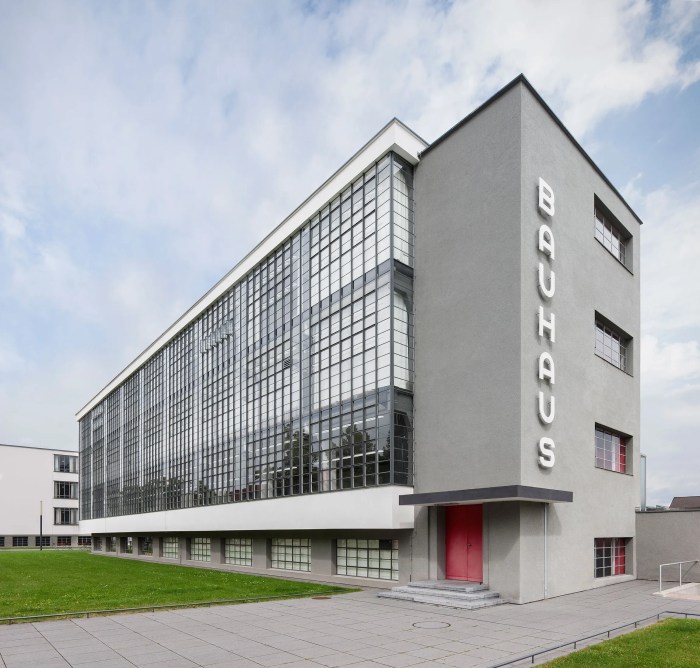
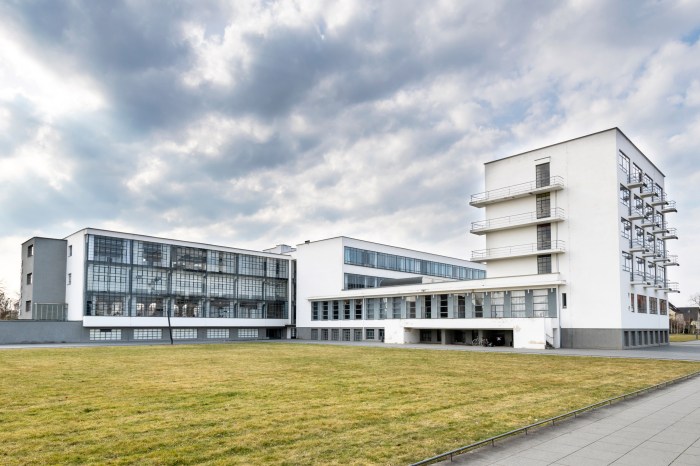
- Bauhaus Architecture: Bauhaus architecture is characterized by the use of flat roofs, smooth facades, large windows, and open floor plans. Examples include the Bauhaus school building in Dessau, Germany, designed by Walter Gropius.
- Bauhaus Art: Bauhaus artists often used geometric shapes, bold colors, and abstract forms in their work. One prominent artist associated with Bauhaus is Wassily Kandinsky, known for his abstract paintings.
- Bauhaus Furniture: Bauhaus furniture designs are known for their simplicity, functionality, and clean lines. Examples include the Wassily Chair by Marcel Breuer and the Barcelona Chair by Ludwig Mies van der Rohe.
Bauhaus Design Principles
The Bauhaus design principles have had a profound influence on modern design, shaping the way we approach aesthetics, functionality, and minimalism in various creative fields.
Bauhaus design emphasizes the fusion of form and function, prioritizing functionality over ornamental excess. This minimalist approach seeks to create simple, clean, and efficient designs that serve a purpose while remaining visually appealing.
Influence on Modern Design
- Bauhaus principles have inspired contemporary architecture, interior design, graphic design, and product design.
- Many modern designers and artists continue to draw inspiration from Bauhaus concepts of simplicity, geometric shapes, and industrial materials.
- The focus on clean lines, asymmetry, and experimentation with new materials is evident in the sleek and modern designs we see today.
Adaptation in Contemporary Design Trends
- Contemporary design trends often incorporate Bauhaus principles such as minimalism, functionality, and the use of primary colors.
- Many brands and designers embrace the Bauhaus philosophy of "less is more" in their creations, aiming for timeless and practical designs.
- The Bauhaus legacy continues to shape the way we think about design, encouraging innovation, creativity, and a focus on the essentials.
Bauhaus Architecture
The Bauhaus movement extended its innovative design principles to architecture, focusing on functionality, simplicity, and a harmonious blend of form and function. Bauhaus architecture aimed to break away from traditional ornamental styles and embrace a more minimalist and industrial aesthetic.
Key Characteristics of Bauhaus Architecture
- Bauhaus buildings often feature flat roofs, asymmetrical shapes, and cubic forms.
- The innovative use of materials such as steel, concrete, and glass was common in Bauhaus architecture.
- Open floor plans and large windows were incorporated to maximize natural light and create a sense of spaciousness.
- Emphasis on the integration of indoor and outdoor spaces, blurring the boundaries between the two.
Key Bauhaus Buildings and Their Architectural Features
| Building | Architectural Features |
|---|---|
| The Bauhaus School in Dessau, Germany | Designed by Walter Gropius, the building features a glass curtain wall facade, flat roof, and vertical strips of windows. |
| Villa Savoye in Poissy, France | Designed by Le Corbusier, the building showcases an open floor plan, pilotis (supporting columns), and a rooftop garden. |
| Fagus Factory in Alfeld, Germany | Designed by Walter Gropius and Adolf Meyer, the factory is known for its glass curtain walls, steel frame structure, and functional layout. |
Impact of Bauhaus Architecture on Urban Design and City Planning
Bauhaus architecture had a profound impact on urban design and city planning by promoting efficiency, functionality, and modern aesthetics. The principles of Bauhaus architecture influenced the development of high-rise buildings, open-plan offices, and sustainable design practices. The emphasis on simplicity and utility in Bauhaus architecture continues to inspire architects and urban planners worldwide.
Bauhaus Art

Bauhaus art is characterized by its innovative approach to design, emphasizing simplicity, functionality, and the use of modern materials. The art movements associated with Bauhaus design include Constructivism, Suprematism, and De Stijl, which all focused on geometric shapes and abstract forms.
Geometric Shapes and Primary Colors
The use of geometric shapes, particularly squares, circles, and triangles, was a prominent feature in Bauhaus art. Artists like Wassily Kandinsky and Paul Klee explored the relationship between form and color, often using primary colors such as red, blue, and yellow to create vibrant compositions.
This emphasis on simplicity and clarity in design influenced the use of geometric shapes and primary colors in various art forms.
Influence on Graphic Design
Bauhaus art had a profound impact on graphic design and visual communication. The emphasis on clean lines, sans-serif typography, and asymmetrical compositions became defining elements of modern graphic design. Artists and designers associated with the Bauhaus school, such as László Moholy-Nagy and Herbert Bayer, pioneered new ways of combining text and image to create visually striking and dynamic designs.
Their experimental approach to graphic design continues to influence contemporary design practices to this day.
Bauhaus Furniture Design

Bauhaus furniture design is characterized by its focus on functionality, simplicity, and minimalism. The principles of Bauhaus furniture design emphasize the use of clean lines, geometric shapes, and the absence of unnecessary ornamentation.
Principles of Bauhaus Furniture Design
Bauhaus furniture design principles include the integration of craftsmanship with mass production, the use of innovative materials such as tubular steel and glass, and the consideration of the practical needs of the user.
- The emphasis on functionality and practicality.
- The use of geometric shapes and clean lines.
- The combination of craftsmanship and mass production techniques.
- The use of innovative materials like tubular steel and glass.
Comparison with Traditional Styles
When compared to traditional furniture styles, Bauhaus furniture design stands out for its modern and innovative approach. While traditional styles may focus on intricate details and ornate decorations, Bauhaus design simplifies forms and prioritizes functionality over embellishment.
- Bauhaus furniture is often more minimalist and sleek compared to traditional furniture.
- Bauhaus design tends to use unconventional materials and manufacturing techniques not typically found in traditional styles.
- Bauhaus furniture is known for its clean and uncluttered appearance, in contrast to the more ornate and decorative nature of traditional furniture.
Enduring Popularity in Contemporary Interiors
The enduring popularity of Bauhaus furniture in contemporary interiors can be attributed to its timeless design aesthetic and versatility. Bauhaus pieces seamlessly integrate into modern spaces, adding a touch of sophistication and style.
- Bauhaus furniture's clean lines and geometric shapes complement contemporary interior design trends.
- The focus on functionality makes Bauhaus furniture a practical choice for modern living spaces.
- The minimalist nature of Bauhaus design allows it to adapt to various decor styles and color schemes, making it a versatile option for interior designers and homeowners alike.
Conclusive Thoughts
As we wrap up our journey through the realm of Bauhaus design, we are left with a newfound appreciation for its influence on contemporary aesthetics. The legacy of Bauhaus design continues to inspire and captivate, reminding us of the power of simplicity and innovation in the world of art and design.
Clarifying Questions
What defines Bauhaus design?
Bauhaus design is characterized by its emphasis on functionality, minimalism, and the harmonious fusion of form and function.
How has Bauhaus design influenced contemporary trends?
Bauhaus design principles have been widely adopted in modern design, influencing everything from architecture to graphic design with its focus on simplicity and practicality.
What are some key features of Bauhaus architecture?
Bauhaus architecture is known for its flat roofs, asymmetrical forms, and use of modern materials like steel and glass in creating innovative and functional structures.
Why is Bauhaus furniture design still popular today?
The enduring popularity of Bauhaus furniture lies in its timeless appeal, clean lines, and focus on practicality, making it a versatile choice for modern interiors.