
Embark on a journey into the world of exterior siding replacement, where we uncover the importance, types of materials, signs of replacement, and the process involved. Get ready to explore everything you need to know about enhancing your home's exterior with new siding.
Importance of Exterior Siding Replacement
Exterior siding plays a crucial role in protecting a home from various elements such as rain, wind, snow, and UV rays. It acts as a barrier against moisture, pests, and other potential damages, helping to maintain the structural integrity of the house.
Impact of Weather Conditions
- Harsh weather conditions like heavy rain, strong winds, or extreme temperatures can accelerate the wear and tear of exterior siding.
- Excessive exposure to sunlight can cause fading and deterioration of the siding material over time.
- Moisture buildup due to rain or snow can lead to mold growth and rot, compromising the efficiency of the siding.
Benefits of Timely Replacement
- Enhanced curb appeal: New siding can instantly improve the overall look of a home, increasing its value and attractiveness.
- Improved energy efficiency: Upgraded siding can provide better insulation, reducing energy costs and making the home more comfortable.
- Prevent structural damage: Timely replacement helps prevent water infiltration, mold growth, and other issues that can impact the structural integrity of the house.
Types of Exterior Siding Materials
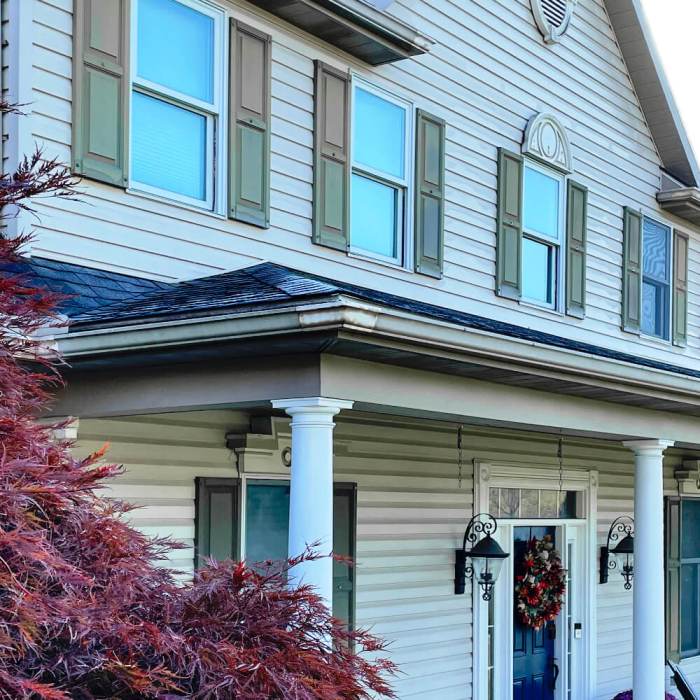
When it comes to choosing the right siding material for your home, there are several options available, each with its own set of pros and cons. Here, we will go over some of the most common exterior siding materials and compare their durability and maintenance requirements.
Vinyl Siding
- Pros:
- Cost-effective
- Low maintenance
- Wide range of colors and styles
- Cons:
- Not as durable as other materials
- Potential for fading or warping over time
Wood Siding
- Pros:
- Natural look and feel
- Can be painted or stained
- Eco-friendly option
- Cons:
- Requires regular maintenance (painting, sealing)
- Susceptible to rot, pests, and moisture damage
Fiber Cement Siding
- Pros:
- Durable and long-lasting
- Resistant to fire, insects, and rot
- Low maintenance
- Cons:
- Higher initial cost compared to vinyl or wood
- Requires professional installation
Signs that Exterior Siding Replacement is Needed
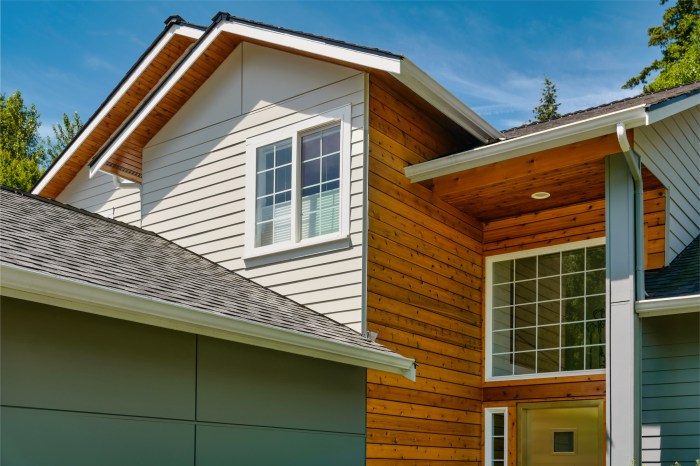
When it comes to the exterior of your home, the siding plays a crucial role in protecting it from the elements. Over time, wear and tear can take a toll on your siding, leading to the need for replacement. Here are some signs to look out for:
Visible Signs of Siding Damage
- Cracks or holes in the siding
- Warped or buckling siding panels
- Faded or peeling paint
- Mold or mildew growth
- Rotting or soft spots
How Age Affects Siding Condition
As siding ages, it becomes more susceptible to damage from weather exposure, UV rays, and general wear and tear. Older siding may lose its structural integrity, making it less effective at protecting your home.
Importance of Regular Inspections
Regular inspections of your siding can help you catch any signs of damage early on. By identifying issues sooner rather than later, you can prevent further damage to your home and potentially save money on repairs in the long run.
Process of Exterior Siding Replacement
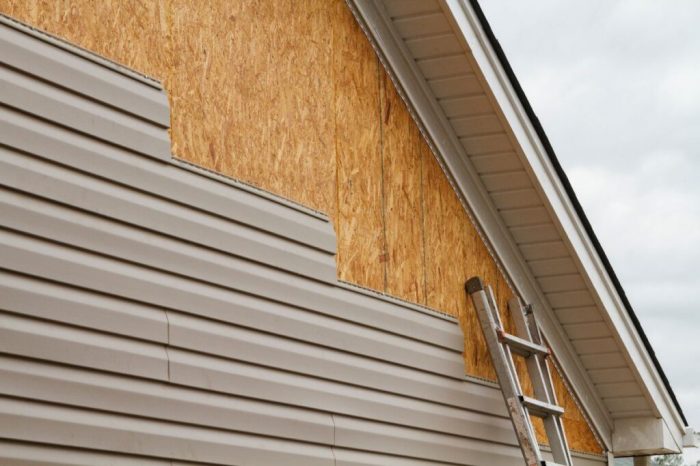
Replacing exterior siding involves several important steps to ensure a successful outcome. It is crucial to hire professionals for this task and adequately prepare the home before the siding replacement process begins.
Steps Involved in Replacing Exterior Siding
- Assessment: A thorough inspection of the current siding to determine the extent of damage and the type of replacement needed.
- Making Decisions: Choosing the right siding material, color, and style that best suits the home's aesthetic and functional requirements.
- Preparation: Clearing the area around the home, removing any obstacles or outdoor furniture that may hinder the replacement process.
- Removal: Carefully removing the old siding, making sure not to damage the underlying structure of the home.
- Installation: Installing the new siding according to manufacturer guidelines and ensuring proper insulation and weatherproofing.
- Finishing Touches: Adding trim, caulking, and paint to complete the look and ensure a seamless finish.
Importance of Hiring Professionals for Siding Replacement
Professional siding contractors have the expertise, experience, and tools necessary to complete the replacement process efficiently and effectively. They can also provide valuable advice on the best siding materials and techniques to enhance the durability and aesthetics of your home.
Tips for Preparing the Home Before Siding Replacement
- Clear the Area: Remove any outdoor furniture, plants, or decorations near the exterior walls to provide easy access for the contractors.
- Protect Landscaping: Cover plants, shrubs, and delicate landscaping features to prevent damage during the replacement process.
- Communicate with Neighbors: Inform your neighbors about the upcoming siding replacement to avoid any inconvenience or misunderstandings.
- Parking Arrangements: Ensure that there is ample parking space for the contractors' vehicles and equipment near your home.
- Create a Safe Environment: Keep pets and children away from the work area to prevent accidents or injuries during the siding replacement process.
Conclusion
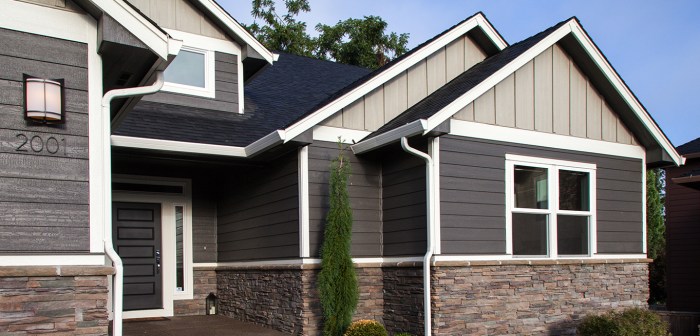
In conclusion, exterior siding replacement is a crucial aspect of maintaining your home's beauty and structural integrity. By understanding the signs, materials, and process involved, you can make informed decisions to protect and enhance your property.
FAQs
When should I consider replacing my exterior siding?
If you notice signs of damage like cracks, rot, or warping, it's time to consider replacing your siding to prevent further issues.
Which siding material is the most durable?
Fiber cement siding is known for its durability and resistance to weather conditions, making it a popular choice among homeowners.
Can I replace my exterior siding on my own?
While it's possible to do it yourself, hiring professionals ensures proper installation and saves time and effort in the long run.
How often should I inspect my exterior siding for damage?
Regular inspections at least once a year can help you catch any issues early and avoid extensive damage that may require costly replacements.