
Embark on a journey into the world of home depot siding installation, where we delve into the various materials, installation services, cost factors, and maintenance tips to help you make informed decisions for your home improvement projects.
From the types of siding materials to the DIY vs. professional installation debate, this comprehensive guide covers all you need to know about enhancing your home's exterior with quality siding from Home Depot.
Types of Siding Materials
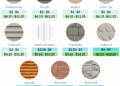
When it comes to siding materials for your home, there are several popular options to consider. Each material has its own unique benefits and drawbacks, so it's essential to understand the differences before making a decision.
Vinyl Siding
Vinyl siding is a popular choice for its affordability and low maintenance requirements. It is also available in a wide range of colors and styles, making it easy to customize the look of your home. However, vinyl siding may not be as durable as other materials and can crack or fade over time.
Fiber Cement Siding
Fiber cement siding is known for its durability and resistance to rot, fire, and insects. It requires minimal maintenance and can mimic the look of wood without the susceptibility to moisture damage. However, fiber cement siding can be more expensive upfront compared to vinyl.
Wood Siding
Wood siding gives a natural and timeless look to a home, and it can be easily painted or stained to match your aesthetic preferences. While wood siding is biodegradable and sustainable, it requires regular maintenance to prevent rot, mold, and insect infestations.
It is also more prone to water damage than other materials.
Metal Siding
Metal siding is extremely durable and can withstand harsh weather conditions, making it a popular choice for areas prone to storms or high winds. It is also fire-resistant and requires minimal maintenance. However, metal siding can dent easily and may not offer the same aesthetic appeal as other materials.
Home Depot Siding Installation Services
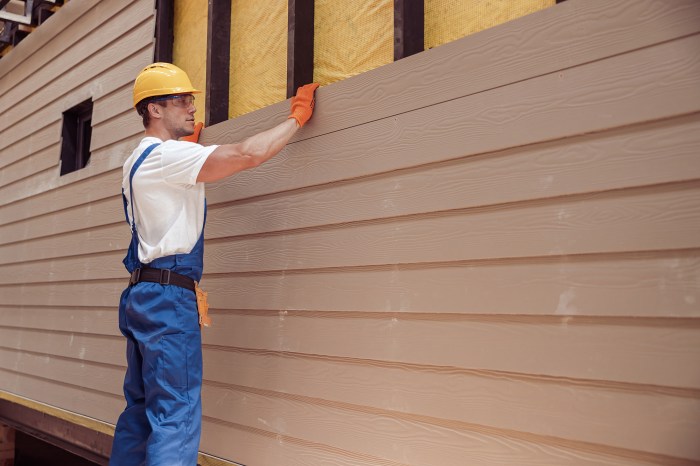
When it comes to siding installation, Home Depot offers a comprehensive range of services to meet your needs. Whether you are looking to replace old siding or upgrade to a new material, Home Depot has you covered.
Installation Process for Different Siding Materials
- For vinyl siding: Home Depot's expert installers will carefully measure and cut the vinyl panels to ensure a perfect fit. They will then secure the panels to your home, ensuring a durable and long-lasting finish.
- For fiber cement siding: The installation process for fiber cement siding involves precise cutting and fitting of the heavy-duty panels. Home Depot's professionals have the skills and tools necessary to handle this material with care.
- For wood siding: Installing wood siding requires expertise to properly seal and protect the material from the elements. Home Depot's team will ensure that your wood siding is installed correctly to enhance the beauty of your home.
Warranty and Guarantee Policies
- Home Depot offers a warranty on their siding installations to provide you with peace of mind. This warranty covers any workmanship issues or defects in the installation process.
- Additionally, Home Depot's guarantee ensures that if you are not satisfied with the installation, they will work to make it right. Customer satisfaction is a top priority for Home Depot.
Additional Services
- Home Depot also offers services for the removal of old siding before installing new siding. This ensures a clean and efficient process without any hassle for you.
- If you are looking for customization options for your siding, Home Depot can work with you to create a unique look for your home. From color choices to design details, the possibilities are endless.
DIY vs. Professional Installation
When it comes to siding installation, homeowners often face the decision of whether to tackle the project themselves or hire professionals. Both options have their advantages and disadvantages, so it's essential to weigh them carefully before making a decision.
Advantages and Disadvantages of DIY vs. Professional Installation
- DIY Installation:
- Advantages:
- Cost-effective as you save on labor fees.
- Can work at your own pace and schedule.
- Personal satisfaction of completing a project on your own.
- Disadvantages:
- Requires time, effort, and a certain level of skill.
- May lack the expertise and precision of professional installers.
- No warranty or guarantee on the installation.
- Advantages:
- Professional Installation:
- Advantages:
- Professional expertise and experience for a high-quality installation.
- Warranty and guarantee on workmanship.
- Saves time and effort on the homeowner's end.
- Disadvantages:
- Higher cost due to labor fees.
- Less flexibility in scheduling and decision-making.
- Dependent on the reputation and reliability of the chosen professionals.
- Advantages:
Skills and Tools Required for DIY Siding Installation
- Skills:
- Basic carpentry skills for measuring, cutting, and installing siding.
- Understanding of proper insulation and moisture barrier techniques.
- Ability to use power tools safely and accurately.
- Tools:
- Tape measure, level, chalk line for accurate measurements and alignment.
- Circular saw, jigsaw, or siding cutter for cutting siding panels.
- Hammer, nail gun, and screws for securing siding in place.
- Ladder or scaffolding for reaching higher areas safely.
Tips for Homeowners Considering DIY vs. Professional Installation
- Assess your skill level and comfort with DIY projects before deciding to take on siding installation.
- Research and educate yourself on the specific requirements and techniques for siding installation.
- If unsure, consider consulting with professionals for advice or a quote to compare costs and options.
- Take safety precautions seriously and use proper protective gear when working on the project.
- Consider the long-term benefits and potential savings of a professional installation in terms of quality and warranty.
Cost Factors and Budgeting
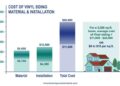
When it comes to siding installation, understanding the cost factors and effective budgeting can help you plan your project efficiently and avoid unexpected expenses.To break down the cost components of siding installation, consider the following:
Materials
- Siding materials can vary in price depending on the type and quality. Factors like durability, maintenance requirements, and aesthetic appeal can impact the cost.
- Additional materials such as insulation, trim pieces, and fasteners should also be budgeted for.
Labor
- Labor costs involve the installation crew's fees, which can vary based on experience, location, and the size of the project.
- Complex installations or special requirements may result in higher labor costs.
Additional Services
- Additional services like removal of old siding, disposal of debris, and cleanup can add to the total cost of the project.
- Customization or unique design elements may also require additional services and increase the budget.
Effective budgeting tips for a siding installation project from Home Depot include:
Setting a Realistic Budget
- Research the cost of materials and labor in your area to set a realistic budget for your project.
- Consider any additional services or unexpected expenses that may arise during the installation process.
Comparing Quotes
- Get quotes from multiple contractors or service providers to compare prices and services offered.
- Choose a reputable and experienced installer who can provide quality work within your budget.
Saving Money without Compromising Quality
- Consider using more affordable siding materials that still offer durability and aesthetic appeal.
- Opt for standard installation methods and designs to avoid additional customization costs.
- Timing your project during off-peak seasons may also result in lower labor costs.
Maintenance and Care Tips
Proper maintenance is crucial to prolonging the lifespan and appearance of your siding. Here are some tips to help you take care of your siding effectively.
Wood Siding
Wood siding requires regular maintenance to prevent rot, mold, and insect damage. Here are some tips for caring for wood siding:
- Inspect and repair any cracks or holes in the wood to prevent moisture penetration.
- Clean the siding annually with a mild detergent and water to remove dirt and grime.
- Apply a fresh coat of paint or stain every few years to protect the wood from the elements.
- Trim any nearby trees or shrubs to prevent damage from branches rubbing against the siding.
Vinyl Siding
Vinyl siding is low maintenance but still requires some care to keep it looking its best. Here are some maintenance tips for vinyl siding:
- Regularly wash the siding with a mixture of soap and water to remove dirt and debris.
- Avoid using harsh chemicals or abrasive materials that could damage the vinyl surface.
- Inspect the siding for any cracks or loose panels and repair them promptly.
- Avoid prolonged exposure to direct sunlight, as this can cause fading and warping of the vinyl.
Fiber Cement Siding
Fiber cement siding is durable but benefits from regular maintenance to prevent moisture damage. Here are some tips for caring for fiber cement siding:
- Inspect the siding for any cracks, chips, or signs of wear and tear, and repair them as needed.
- Clean the siding with a solution of water and mild detergent to remove dirt and stains.
- Inspect the caulking around windows and doors to ensure a tight seal and prevent water infiltration.
- Avoid using high-pressure washers, as they can damage the surface of the siding.
Final Review
In conclusion, Home Depot offers a wide range of siding options and installation services to cater to your specific needs. Whether you choose DIY or professional installation, proper maintenance is key to preserving the beauty and longevity of your siding.
Armed with this knowledge, you can confidently transform your home with durable and aesthetically pleasing siding solutions.
User Queries
What are the most popular siding materials for Home Depot installations?
The popular siding materials at Home Depot include vinyl, fiber cement, wood, and metal, each with its own durability and maintenance requirements.
Does Home Depot offer removal of old siding as part of their installation services?
Yes, Home Depot provides additional services such as the removal of old siding to ensure a seamless installation process.
How can homeowners effectively budget for a siding installation project from Home Depot?
To budget effectively, homeowners should consider the cost components of materials, labor, and any additional services required for the installation.
What are some common maintenance tips for preserving the appearance of siding?
Regular cleaning and following best practices for maintenance can help preserve the appearance of siding over time, enhancing its longevity.