
Embark on a journey through the world of painting and siding, where creativity meets practicality. Discover how different techniques can transform the appearance of a building, and explore the variety of materials and colors available for siding. Dive into the importance of surface preparation and learn how to maintain painted siding for long-lasting beauty.
Painting Techniques
When it comes to painting siding, there are several techniques that can be used to achieve different effects and enhance the appearance of a building. Let's explore some of the common painting techniques used for siding.
Brush Painting
Brush painting is a traditional method that involves using a paintbrush to apply paint to the siding. This technique allows for more precision and control, making it ideal for detailed work or intricate designs. Brush painting can create a textured finish that adds depth and character to the building's exterior.
Spray Painting
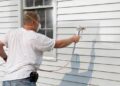
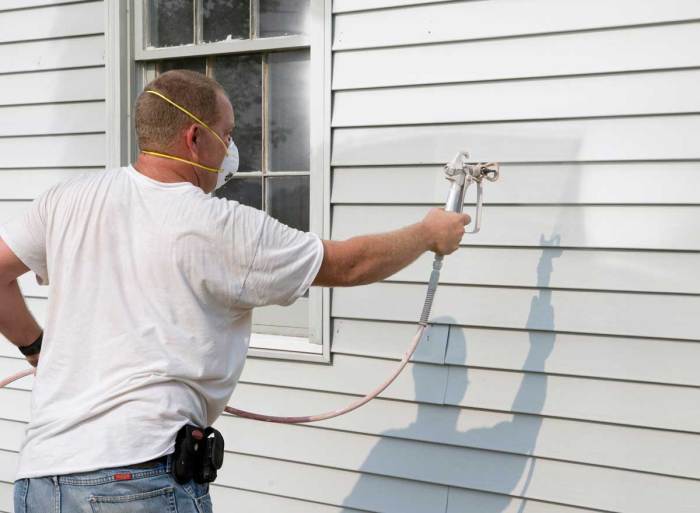
Spray painting, on the other hand, involves using a spray gun to apply paint in a fine mist onto the siding. This method is faster and more efficient than brush painting, covering large areas quickly and evenly. Spray painting can result in a smooth, uniform finish that gives a modern and sleek look to the building.
Comparison
- Brush painting is best for small areas or projects that require intricate details, while spray painting is more suitable for larger surfaces or projects with a smooth finish.
- Brush painting allows for better control over the application of paint, while spray painting is quicker and more cost-effective for larger areas.
- Both techniques can produce high-quality results, but the choice between brush painting and spray painting for siding ultimately depends on the specific needs and desired outcome of the project.
Siding Materials
When it comes to siding materials, there are various options available, each with its own set of pros and cons in terms of durability and maintenance. The choice of siding material can significantly impact the overall look and longevity of a building.
Let's explore some of the most popular siding materials and their characteristics.
Vinyl Siding
Vinyl siding is a popular choice due to its affordability and low maintenance requirements. It is durable, resistant to rotting and insects, and comes in a wide range of colors and finishes. However, it may crack or fade over time with prolonged exposure to the sun.
Wood Siding
Wood siding offers a classic and natural look to a building. It can be painted or stained in various colors and finishes to suit different preferences. While wood siding is aesthetically pleasing, it requires regular maintenance, such as painting or staining, to prevent rot and decay.
Fiber Cement Siding
Fiber cement siding is a versatile option that mimics the look of wood or masonry but with lower maintenance requirements. It is durable, fire-resistant, and available in a range of colors and textures. However, it can be more expensive than other siding materials.
Metal Siding
Metal siding, such as steel or aluminum, is known for its durability and longevity. It is resistant to fire, rot, and insects, making it a low-maintenance option. Metal siding comes in various colors and finishes, including textured or smooth surfaces.
Brick Siding
Brick siding is a timeless and durable option that adds a sense of charm and character to a building. It is resistant to fire, pests, and rot, requiring minimal maintenance over time. Brick siding comes in natural red tones or can be painted in different colors to match the building's aesthetic.
Surface Preparation
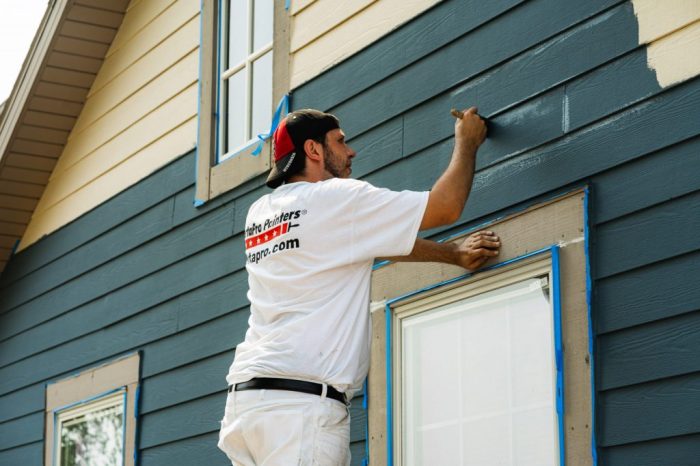
Proper surface preparation is crucial before painting siding to ensure a smooth and long-lasting finish. It helps the paint adhere better, prevents peeling or cracking, and improves the overall appearance of the siding.
Cleaning the Surface
When preparing the siding surface for painting, start by cleaning it thoroughly. Use a mixture of mild detergent and water to remove dirt, mold, and other contaminants. Rinse the siding well and allow it to dry completely before proceeding to the next step.
Sanding the Surface
After the siding is clean and dry, sanding any rough areas or peeling paint is essential. Use a fine-grit sandpaper to smooth out the surface and create a uniform texture. This step helps the new paint adhere better and ensures a professional-looking finish.
Priming the Surface
Before painting, it is important to prime the siding surface to seal it and provide a smooth base for the paint
Identifying and Fixing Issues
Inspect the siding carefully for any underlying issues such as rot, cracks, or water damage. Address these issues before painting to prevent further damage and ensure the longevity of the paint job. Replace damaged siding, fill in cracks with caulk, and treat any mold or mildew before proceeding with painting.
Maintenance and Care
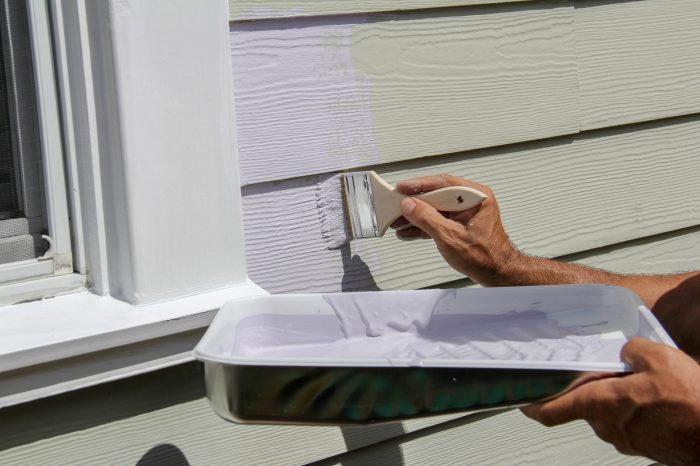
Maintaining painted siding is crucial for ensuring its longevity and keeping your home looking fresh and well-kept. By following best practices and performing regular upkeep, you can extend the life of your siding and avoid costly replacements.
Regular Inspections
Regularly inspect your painted siding for any signs of wear and tear, such as peeling, cracking, or fading. Addressing these issues promptly can prevent further damage and prolong the lifespan of your siding.
- Inspect the siding at least once a year, preferably in the spring or fall when weather conditions are mild.
- Look for areas where paint is chipping or flaking, as these spots are more susceptible to water damage.
- Check for any signs of mold, mildew, or rot, especially in areas that are regularly exposed to moisture.
Cleaning and Maintenance
Proper cleaning and maintenance can help protect your painted siding from the elements and keep it looking its best. Here are some tips to help you clean and maintain your siding:
- Regularly wash your siding with a mild detergent and water to remove dirt, dust, and other debris.
- Avoid using harsh chemicals or abrasive cleaners, as these can damage the paint and underlying siding material.
- Consider using a pressure washer on a low setting to remove stubborn stains, but be cautious not to apply too much pressure, which can cause damage.
- Apply a fresh coat of paint every 5-10 years, or as needed, to keep your siding looking new and protect it from the elements.
Protection from Harsh Weather
Painted siding is exposed to various weather conditions throughout the year, such as rain, snow, and UV rays. To protect your siding from these elements, consider the following tips:
- Ensure proper drainage around your home to prevent water from pooling near the foundation, which can lead to water damage and mold growth.
- Trim trees and bushes near your siding to prevent branches from scratching or damaging the paint.
- Consider installing awnings or overhangs to provide additional protection from sun exposure and reduce the risk of fading.
- Apply a clear protective sealant over the paint to provide an extra layer of protection against UV rays and moisture.
Closing Summary
As we wrap up our exploration of painting and siding, remember the key points discussed to make informed decisions when it comes to enhancing and preserving the exterior of your building. With the right knowledge and care, your painted siding can stand the test of time and weather conditions.
FAQ Summary
How often should I repaint my siding?
Repainting frequency varies depending on factors like climate and quality of paint used. Generally, it's recommended to repaint every 5-10 years.
What's the difference between brush painting and spray painting for siding?
Brush painting offers more precision and control, while spray painting is faster and covers larger areas efficiently.
Can I paint siding without proper surface preparation?
No, surface preparation is crucial for paint adhesion and longevity. Cleaning, sanding, and priming ensure a smooth and durable finish.
How can I protect painted siding from harsh weather?
Regular cleaning, applying a protective sealant, and choosing high-quality paint can help safeguard painted siding against weather elements.