
Embark on a journey exploring the world of preferred roofing and siding, where quality meets style and durability. Learn about the essential factors to consider and the various materials available to make the best choice for your home.
Delve into the realm of roofing and siding to discover how these elements can transform your home into a masterpiece of aesthetic and functionality.
Introduction to Preferred Roofing and Siding
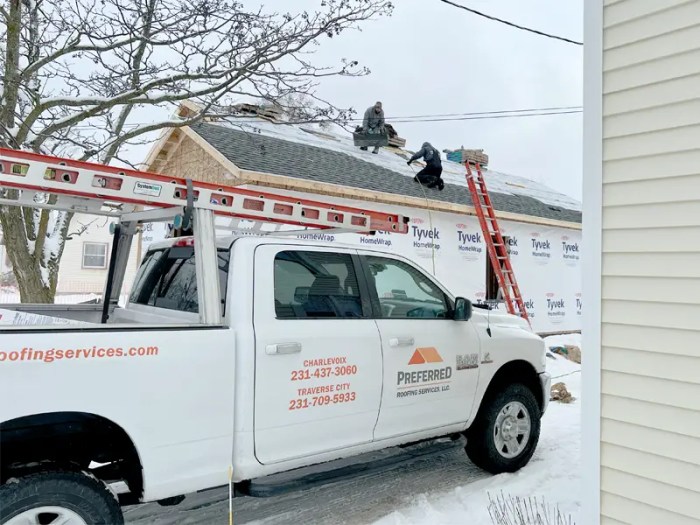
Roofing and siding are essential components of a home's exterior that provide protection from the elements and contribute to its overall aesthetic appeal.
High-quality roofing and siding are crucial for maintaining the structural integrity of a house and ensuring its longevity. They act as a barrier against harsh weather conditions, such as rain, snow, wind, and sunlight, preventing damage to the interior and foundation of the building.
The Significance of Choosing the Right Materials
Choosing the right materials for roofing and siding is paramount in ensuring durability, energy efficiency, and visual appeal. The materials used can impact the overall performance and lifespan of these components, making it essential to select materials that are suitable for the local climate and architectural style of the home.
Types of Roofing Materials
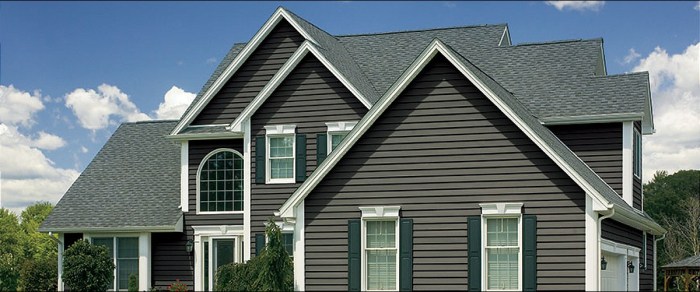
When it comes to roofing materials, there are several options to choose from, each with its own set of advantages and disadvantages. It's essential to consider factors such as durability and maintenance requirements before making a decision.
Asphalt Shingles
Asphalt shingles are the most commonly used roofing material due to their affordability and ease of installation. They come in a variety of colors and styles, making them a versatile option for many homeowners. However, asphalt shingles may not be as durable as other materials and may require more frequent maintenance.
Metal Roofing
Metal roofing is known for its durability and longevity, often lasting 50 years or more. It is resistant to fire, rot, and pests, making it a low-maintenance option for homeowners. While metal roofing can be more expensive upfront, the long-term cost savings may outweigh the initial investment.
Wood Shingles
Wood shingles provide a natural and rustic look to a home, adding charm and character. However, they may require more maintenance than other materials, as they are susceptible to rot and mold. With proper care, wood shingles can last for decades, making them a popular choice for those seeking a traditional aesthetic.
Slate Roofing
Slate roofing is known for its elegance and longevity, with some roofs lasting over 100 years. While slate is one of the most expensive roofing materials, its durability and aesthetic appeal make it a desirable option for many homeowners. It is resistant to fire, mold, and pests, making it a low-maintenance choice in the long run.
Types of Siding Materials
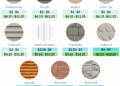
When it comes to siding materials, there are various options available in the market to choose from. Each type of siding material comes with its own set of pros and cons, so it's essential to consider your specific needs and preferences before making a decision.
Vinyl Siding
- Pros: Affordable, low maintenance, comes in various colors and styles.
- Cons: Can crack or fade over time, not as durable as other materials.
Fiber Cement Siding
- Pros: Durable, fire-resistant, low maintenance, can mimic the look of wood or stucco.
- Cons: Higher initial cost, requires professional installation.
Wood Siding
- Pros: Natural look, environmentally friendly, can be painted or stained.
- Cons: Requires regular maintenance, susceptible to rot and pests.
Aluminum Siding
- Pros: Lightweight, easy to install, resistant to fire and insects.
- Cons: Prone to dents, can be noisy during heavy rain or wind.
Brick Siding
- Pros: Extremely durable, low maintenance, excellent insulating properties.
- Cons: Expensive upfront cost, challenging to install or repair.
Factors to Consider When Choosing Roofing and Siding
When selecting roofing and siding for your home, there are several important factors to consider to ensure you make the right choice. Factors such as climate, budget, aesthetics, and maintenance play a crucial role in determining the most suitable materials for your property.
Additionally, the architectural style of your home can greatly influence the choice of roofing and siding to achieve a cohesive and visually appealing exterior look.
Climate Considerations
When choosing roofing and siding materials, it is essential to consider the climate of your region. For example, in areas with high humidity, materials that are resistant to mold and mildew are recommended. In regions prone to severe weather conditions such as hurricanes or heavy snowfall, durable materials that can withstand these elements are ideal.
Budget Planning
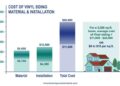
Setting a budget is crucial when selecting roofing and siding materials. Consider the initial cost of materials, installation fees, and long-term maintenance expenses. It is important to find a balance between quality and affordability to ensure that you get the best value for your investment.
Aesthetic Appeal
The aesthetic appeal of your roofing and siding should complement the overall style of your home. Consider the color, texture, and design of the materials to create a cohesive and visually appealing exterior. Choose materials that enhance the architectural features of your property and reflect your personal style preferences.
Maintenance Requirements
Understanding the maintenance requirements of different roofing and siding materials is essential for long-term durability. Some materials may require regular cleaning, sealing, or painting to maintain their appearance and performance. Consider your willingness to invest time and effort in maintaining your home's exterior when selecting materials.
Installation Process for Roofing and Siding
In order to ensure the durability and functionality of your roofing and siding, it is crucial to understand the proper installation process involved. Hiring professional contractors for this task is highly recommended to guarantee a high-quality finish and adherence to safety standards.
Roofing Installation Process
- 1. Preparation of the roof deck: The existing roof may need to be removed, and the deck inspected for any damage that needs to be repaired.
- 2. Installation of underlayment: A waterproof underlayment is placed over the roof deck to protect against moisture infiltration.
- 3. Application of roofing materials: Depending on the type of roofing material chosen, shingles, tiles, or metal panels are installed following manufacturer guidelines.
- 4. Ridge cap installation: The ridge caps are installed at the peak of the roof to provide a finished look and added protection.
- 5. Flashing and trim installation: Flashing is placed around roof penetrations and in valleys to prevent water leaks, while trim is added for aesthetic purposes.
Siding Installation Process
- 1. Preparation of the walls: The walls are inspected for any damage or rot that needs to be addressed before installation begins.
- 2. Installation of house wrap: A moisture barrier is applied to the walls to prevent water infiltration and improve energy efficiency.
- 3. Mounting of siding panels: Depending on the type of siding chosen, panels are installed either horizontally or vertically, following manufacturer instructions.
- 4. Corner and trim installation: Corners and trim pieces are added to provide a clean finish and protect exposed edges.
- 5. Caulking and sealing: Gaps between siding panels and around windows and doors are caulked and sealed to prevent water intrusion.
It is essential to hire professional contractors for roofing and siding installation to ensure proper installation, adherence to building codes, and warranty coverage.
Maintenance and Care Tips
Regular maintenance is essential to ensure the longevity of your roofing and siding. By following some simple care tips, you can protect your investment and keep your home looking its best.
Importance of Regular Inspections and Repairs
Regular inspections of your roofing and siding can help you catch any issues early on before they escalate into costly repairs. It is recommended to inspect your roof at least twice a year, especially after severe weather events. Look for signs of damage such as missing or cracked shingles, leaks, or mold growth.
Similarly, inspect your siding for any cracks, rot, or warping. If you notice any problems, make sure to address them promptly to prevent further damage.
Cleaning and Upkeep of Roofing and Siding Materials
- For asphalt shingle roofs, gently remove debris like leaves and branches to prevent water buildup that can lead to mold and mildew growth. You can also use a solution of water and mild detergent to clean any algae or moss on the surface.
- Metal roofs can be cleaned with a mixture of water and mild soap. Avoid using harsh chemicals or abrasive materials that can damage the finish.
- When it comes to siding materials like vinyl, regular cleaning with a garden hose and mild detergent can help maintain its appearance. Avoid using high-pressure washers as they can cause damage to the siding.
- For wood siding, it is important to inspect for any signs of rot or insect infestation. Regularly clean the surface and apply a fresh coat of paint or sealant to protect it from the elements.
Remember, proper maintenance and care of your roofing and siding can not only enhance the curb appeal of your home but also extend the lifespan of these essential elements.
Final Conclusion
In conclusion, selecting preferred roofing and siding is a crucial decision that impacts your home's appearance and longevity. By understanding the options available and considering important factors, you can create a beautiful and durable exterior that enhances your living space.
Questions and Answers
What are the benefits of high-quality roofing and siding?
High-quality roofing and siding improve the aesthetic appeal of your home, provide better insulation, and increase property value.
How do I choose the right roofing and siding materials?
Consider factors like climate, budget, maintenance, and architectural style of your home to choose the best materials for roofing and siding.
Why is professional installation important for roofing and siding?
Professional installation ensures proper placement and helps avoid issues like leaks or damage, extending the lifespan of your roofing and siding.